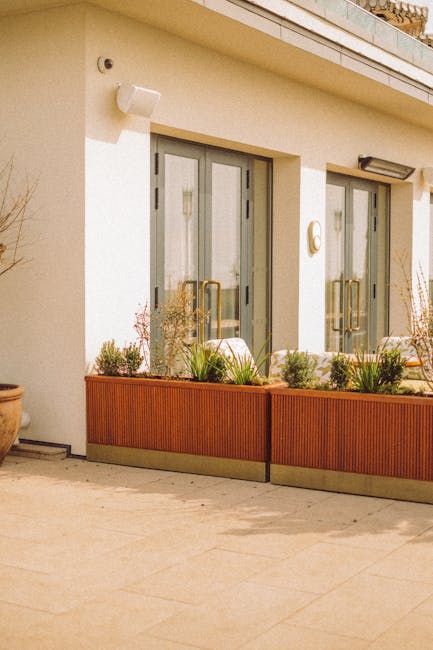
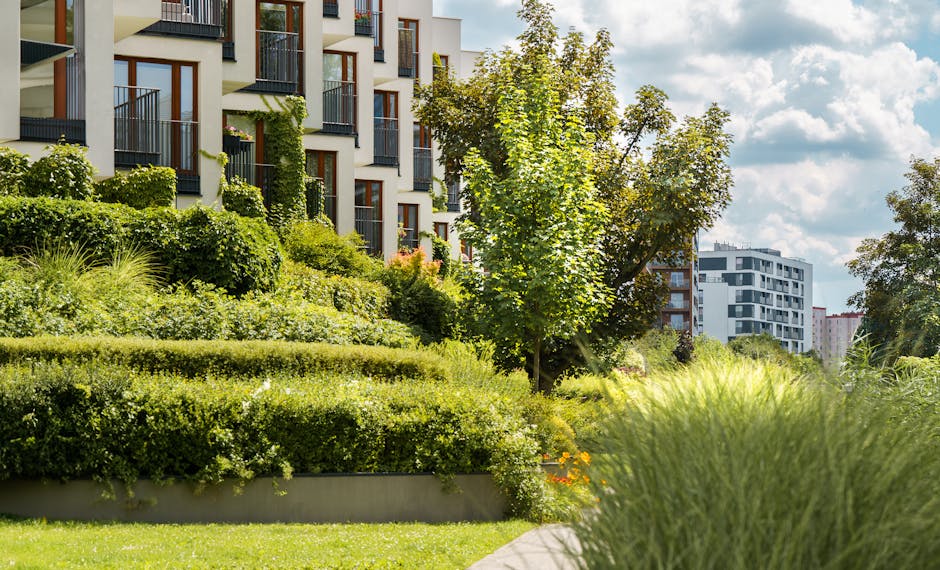
Custom House gardeners guide to Royal Docks balcony gardens
If you live near the Royal Docks and your outdoor space is really a balcony, you already know the challenge: you want greenery, privacy, colour, and a place to breathe, but you have limited square footage and plenty of wind. That is exactly where a Custom House gardeners guide to Royal Docks balcony gardens becomes useful. Done well, a balcony can feel calm, private, and surprisingly lush without becoming high-maintenance or heavy on the eye.
This guide is written for real London balconies: breezy, often compact, sometimes shaded, occasionally exposed to salt-laced air, and nearly always in need of thoughtful planning. We will cover design, planting, materials, seasonal care, common mistakes, and the practical next steps that make the difference between a balcony that merely has pots on it and one that feels like a proper outdoor room. To be fair, that difference is huge.
Table of Contents
- Why Custom House gardeners guide to Royal Docks balcony gardens Matters
- How Custom House gardeners guide to Royal Docks balcony gardens Works
- Key Benefits and Practical Advantages
- Who This Is For and When It Makes Sense
- Step-by-Step Guidance
- Expert Tips for Better Results
- Common Mistakes to Avoid
- Tools, Resources and Recommendations
- Law, Compliance, Standards, or Best Practice
- Options, Methods, or Comparison Table
- Case Study or Real-World Example
- Practical Checklist
- Conclusion
- Frequently Asked Questions
Why Custom House gardeners guide to Royal Docks balcony gardens Matters
Balcony gardening in the Royal Docks is not just a smaller version of garden design. It is a different job altogether. You are working with exposure, load limits, neighbour sightlines, drainage, and the reality that containers dry out faster than most people expect. Add in the stop-start weather we get in East London, and you have a space that needs a proper strategy, not just a few cheerful pots from the garden centre.
A good balcony garden matters because it can change how your home feels every single day. A small herb tray by the door. A screen of evergreen plants that softens the view from nearby flats. A compact chair where you can drink tea at 7am and hear the gulls or traffic or both. Little things, yes, but they matter. They make the space yours.
For local homeowners, landlords, and tenants, balcony planting also solves a few common frustrations:
- too much wind and not enough shelter
- bare railings and overlooked seating areas
- unused corners that collect clutter
- plants failing because the soil dries too quickly
- a wish for privacy without blocking all the light
That is why many people start with a general container plan and then build out with structure, seasonal colour, and easy-care plants. If you want to understand how compact planting can reshape a tight space, our guide on how container gardening transforms small spaces is a useful companion read.
How Custom House gardeners guide to Royal Docks balcony gardens Works
The basic principle is simple: design from the conditions outward, not from the plant label inward. In plain English, you look at how much sun, wind, shade, and usable floor space you actually have, then choose containers and plants that can live comfortably there.
In Royal Docks balconies, the most successful gardens usually combine five layers:
- Structure - pots, planters, railing boxes, screens, or trellis panels.
- Planting - a mix of evergreen backbone plants, seasonal colour, and useful edibles if wanted.
- Wind management - strategic placement, heavier pots, and layered planting.
- Water management - containers with drainage and a watering routine that fits your lifestyle.
- Use of space - seating, storage, and access paths that keep the balcony easy to use.
The work usually begins with a small site check. Where does the sun land in the morning? Which side gets blasted by wind? Is there a drain point? Can furniture sit safely without blocking doors? These questions sound basic, but they save a lot of money and hassle later. A balcony garden is not a place where guesswork ages well.
Once those conditions are clear, the planting plan can be layered. Vertical gardening helps when floor space is tight, and you can explore the approach further in urban spaces transformed with vertical gardening. For balconies, vertical growing is especially helpful for climbers, herbs, and trailing plants that soften hard edges without swallowing usable space.
Key Benefits and Practical Advantages
Let's face it, balcony gardens are as much about how a place feels as how it looks. Still, there are some very practical advantages too.
1. Better privacy without building a wall
A well-designed balcony can reduce the feeling of being on display. Tall containers, slender screening plants, and climbing structures can create a soft boundary. It is not about shutting people out completely; it is about making the space more comfortable to live in.
2. A calmer microclimate
Plants absorb some of the visual harshness of concrete, metal railings, and glass. On windy balconies, even a modest amount of planting makes the space feel less raw. If your balcony is particularly exposed, the advice in our article on solutions for windy gardens is worth applying here.
3. Edible growing in a small footprint
Herbs, salad leaves, and dwarf crops can do very well in containers if they have decent compost and enough light. There is something deeply satisfying about stepping outside for mint, basil, parsley, or chives. Small win, but a good one.
4. Easier maintenance than a full garden
Balcony gardens are usually easier to weed, prune, and tidy than ground-level beds. You are managing a smaller system. That said, the watering and feeding need to be more regular. Smaller does not always mean easier, oddly enough.
5. Better year-round enjoyment
With evergreen structure, winter pots, and a sensible seating layout, your balcony can stay appealing outside the main growing season. For colder months, the guidance in protecting plants in wintry weather is especially useful, because balcony plants often suffer more frost and drying than plants sheltered in a ground border.
Who This Is For and When It Makes Sense
This kind of balcony gardening is ideal if you live in a flat, maisonette, or apartment near the Royal Docks and want something that looks good but does not become a second job. It suits people who want nature close at hand, but not a large maintenance commitment.
It makes sense for:
- busy professionals who want low-fuss planting
- renters who need container-based solutions
- homeowners upgrading an unused balcony
- people dealing with strong wind or urban exposure
- anyone who wants privacy, colour, and structure in one space
It is also a good fit if you have tried a few random pots and found the results underwhelming. Truth be told, most disappointing balcony gardens are not failing because the owner lacks enthusiasm; they are failing because the setup ignored the site conditions.
If you are not sure where to start, a basic service discussion can help clarify what your balcony can support. The team page for gardening services is a sensible starting point when you want practical help rather than a vague design moodboard. And if you are still weighing budget, pricing and quotes can give you a clearer idea of what to expect.
Step-by-Step Guidance
Below is a practical sequence that works well for most Royal Docks balcony spaces. Not every balcony needs every step, but the order helps.
Step 1: Measure the usable area
Measure floor space, railing length, and any awkward corners. Then note where doors open, where you need walking space, and whether furniture has to fold away. A balcony that looks spacious on paper can feel cramped fast if you misjudge access.
Step 2: Record light and wind patterns
Spend a day watching the balcony at different times. Morning sun, midday glare, afternoon shade - it all matters. Wind is just as important. A southeast-facing balcony may sound ideal until you realise the breeze is relentless. If the space feels exposed, try the guidance from windy garden solutions to think through shelter before planting.
Step 3: Choose the job each plant must do
Every plant should earn its place. Some provide privacy. Some add scent. Some provide colour. Some feed you. Some simply look good. That is fine. The trick is not to ask one plant to do everything.
Step 4: Select containers with drainage and weight in mind
Terracotta looks lovely, but it can dry out quickly. Lightweight resin pots are easier to move. Fibre or composite containers often give a good balance of style and practicality. Make sure each pot has proper drainage holes, and avoid filling every container with heavy soil if your balcony has any load concerns. When in doubt, keep it sensible and spread weight evenly.
Step 5: Build the layout in layers
Place the largest or heaviest containers first, usually against the wall or at the ends. Add mid-height plants next, then trailing or small pots at the front. A layered arrangement creates depth and makes the balcony feel larger than it is.
Step 6: Add one strong focal point
This could be a statement planter, a slender olive, a bamboo screen, a bench with cushions, or a vertical herb wall. One focal point stops the balcony feeling scattered. Too many small ideas can make it look busy in a not-great way.
Step 7: Plan a watering and feeding routine
Containers dry out faster than beds, especially in summer and on windy upper floors. Decide now how you will water - manually, with self-watering inserts, or via a drip system if suitable. Then stick to it. That consistency is half the battle.
Step 8: Make room for use, not just display
If you cannot sit there comfortably, it is not really a balcony garden; it is a plant storage area with ambitions. Keep a seat, foldable table, or reading corner if possible. Our article on fabulous seating arrangements is handy if you want the balcony to function as a true outdoor room.
Expert Tips for Better Results
Here are the little decisions that tend to separate an average balcony from a genuinely good one.
- Use heavier pots for exposed spots. Light pots can move or topple in strong wind. Heavier planters are calmer and safer.
- Choose a repeat palette. Two or three plant colours look more polished than eight competing ones.
- Mix textures, not chaos. Pair glossy leaves with softer foliage, or upright plants with trailing ones.
- Group plants with similar water needs. Otherwise one plant will always be too wet and another too dry.
- Think seasonally. A balcony that looks lovely in June should still have structure in January.
- Keep one corner free. It helps with cleaning, moving pots, and dealing with maintenance tasks. A tiny bit of space goes a long way.
If you enjoy herbs, a small sunny balcony can support a compact kitchen-garden setup. For that, our guide to successful indoor and outdoor herb gardening fits neatly with this topic. A pot of rosemary, a tray of chives, and a little thyme by the door can feel very rewarding, especially on a wet Tuesday when dinner needs something fresh.
One more thing: do not overpack the balcony. People often do that at the start, then spend months trying to see the floor again. It happens.
Common Mistakes to Avoid
Balcony gardens go wrong in predictable ways. The good news is that most of them are avoidable.
Using the wrong plant for the exposure
A sun-loving plant in deep shade will sulk. A tender plant on a windy upper-floor balcony will struggle. Match the plant to the actual site, not the dreamy version of the site you had in your head.
Ignoring weight and drainage
Heavy pots, waterlogged compost, and poor drainage are a bad combination. So is placing planters where runoff will annoy neighbours below. A bit of planning saves awkward conversations later.
Choosing style over maintenance
That ultra-minimal design may look lovely in a photo, but if it is impossible to water or weed, it will not stay lovely for long. A good balcony garden is stylish and manageable.
Forgetting winter reality
Many balcony plants need a bit more protection in winter than the same plants in a sheltered ground border. Pots freeze faster. Wind dries leaves. Frost gets into root balls. A small seasonal adjustment matters a lot.
Letting climbing plants run wild
Climbers can be brilliant for screening, but they need guidance. If you do choose ivy, keep an eye on it and learn how to manage it before it becomes a nuisance. Our article on how to remove ivy for good is worth bookmarking if you are dealing with an existing problem rather than planning a new screen.
And if the balcony has inherited an old, tired setup from previous use, the broader advice in transforming a neglected garden can help you think through the first clean-up phase without getting overwhelmed.
Tools, Resources and Recommendations
You do not need a shed full of kit for balcony gardening, but a few reliable tools make everything easier. Nothing fancy. Just the basics that earn their keep.
- compact hand trowel
- pruning snips
- watering can with a narrow spout
- lightweight gloves
- moisture-retentive compost suitable for containers
- saucers or trays where appropriate
- tie wire or soft plant ties for climbing support
- microfibre cloth or brush for clearing debris from surfaces
If you want to build a proper routine, our guide to the gardener's toolkit and must-have equipment is a practical reference. It is not about buying everything at once. It is about choosing tools that actually make balcony care easier.
For longer-term upkeep, especially where the balcony includes adjacent decking, timber details, or planted screens, it may help to explore related services such as decking services, patio cleaning, or garden maintenance. On some balconies, a tidy surface is what makes the planting scheme sing.
Law, Compliance, Standards, or Best Practice
Balcony gardening is mostly practical rather than heavily regulated, but there are a few sensible best-practice points to keep in mind.
First, check lease, tenancy, or building rules. Some buildings restrict railing fixings, drilling, heavy planters, or external appearance changes. That is not unusual. It is better to confirm early than to have to undo work later.
Second, think about safety. Pots should not be placed where they can topple, block exits, or create trip hazards. Watering should not create slippery surfaces. If you use trellis or screens, fix them securely and avoid overloading weak points.
Third, respect the people below and beside you. Soil, water, and leaf litter can fall. Trailing plants are lovely, but they should not create nuisance problems. Good balcony gardening is considerate gardening.
Fourth, use reasonable maintenance standards. Keep dead foliage removed, check for pests, and tidy runoff. That is not just about aesthetics. It is about keeping the space healthy and safe.
If you are bringing in a professional team, it is sensible to look at a company's health and safety policy, insurance and safety, and terms and conditions before work begins. You want peace of mind, not surprises. The paperwork may not be thrilling, but it does matter.
Options, Methods, or Comparison Table
There is more than one way to build a balcony garden. The right method depends on your goals, budget, and how much time you actually want to spend. Here is a simple comparison to help.
| Method | Best for | Advantages | Watch out for |
|---|---|---|---|
| Container-only planting | Renters and small balconies | Flexible, easy to rearrange, low commitment | Needs regular watering and feeding |
| Vertical planting | Very tight spaces | Uses walls and railings efficiently, adds privacy | May need more wind protection and secure fixing |
| Mixed seating and planting | People who use the balcony daily | Feels like an outdoor room, balanced and inviting | Can become cramped if overdesigned |
| Edible balcony garden | Herb and salad growers | Fresh ingredients close at hand, rewarding to maintain | Needs more consistent watering and sun assessment |
If privacy is one of your main goals, a soft screen of fast-growing plants may help, though balcony conditions mean you should choose carefully. The article on fast-growing hedges for privacy is more garden-focused, but the principles of layered screening and careful species choice still apply in compact form.
For people who want a low-maintenance version, the guide on cost-effective low-maintenance solutions can help you simplify the planting plan without making it dull. Sometimes less really is better.
Case Study or Real-World Example
Imagine a typical Royal Docks balcony: narrow, north-east facing, a little exposed to wind, and mostly being used as storage with a couple of tired planters. Not unusual at all. In a situation like that, the smartest approach is usually not a full redesign. It is a reset.
Here is how that reset might look:
- clear the space and remove broken or overcrowded pots
- check the floor surface and drainage points
- keep one seating spot and one storage solution
- add a couple of heavier containers to anchor the layout
- use shade-tolerant foliage mixed with one or two seasonal colour plants
- place a slim vertical support for a climber or herb rack
The result is not a show garden in the magazine sense. It is better than that in some ways. It is usable. It is pleasant on a grey morning. It can be watered quickly before work. It does not demand constant fuss. And yes, it still looks cared for.
We have seen that the biggest improvement often comes from three small changes: better containers, a more deliberate layout, and a planting mix chosen for the actual balcony conditions rather than a wish list. That is the point where the space starts to feel like a room, not a leftover patch of concrete. A small transformation, but a real one.
Practical Checklist
Use this checklist before you buy plants or move furniture around. It keeps the project grounded.
- Measure floor space, railing length, and door clearance
- Note sun, shade, and wind exposure at different times of day
- Check building or lease restrictions on fixing and weight
- Choose containers with drainage holes
- Use a potting mix made for containers
- Select plants suited to your light conditions
- Include at least one evergreen or structural plant
- Plan how you will water in summer and in dry spells
- Leave room to sit, step, and clean
- Add a simple shelter or screen if the balcony is exposed
- Group plants with similar care needs together
- Set a monthly maintenance routine for pruning and feeding
If you want a greener, more sustainable feel, there are some useful ideas in eco-friendly gardening techniques, especially for compost choice, water use, and reducing waste. Even a balcony can be kinder to the environment if you plan it well.
Conclusion
A thoughtful balcony garden in the Royal Docks is not about cramming in as many plants as possible. It is about building a small, resilient outdoor space that suits local conditions and your actual life. That means wind-aware planting, manageable containers, sensible layout, and a bit of seasonal planning. Once those pieces are in place, the space changes character fast.
Start simple if you need to. One strong planter, a few reliable plants, and one place to sit can already make the balcony feel completely different. Then build from there. Honestly, that slower approach often gives the best results because it lets you learn what the space wants.
If your balcony is ready for a proper reset, or you want help turning a difficult space into something calm and usable, a local team can make the process much easier. Get a free quote today and see how much you can save.
Some spaces ask for grand gestures. Balconies usually ask for care, restraint, and a bit of patience. Once you give them that, they give something back every day.
Frequently Asked Questions
What is the best first step for a Royal Docks balcony garden?
Start by measuring the usable space and checking light and wind. Those two factors shape almost every other decision, from container size to plant choice.
Which plants work best on windy balconies in Custom House?
Look for compact, sturdy plants with flexible stems and tougher foliage. Heavier containers and a layered layout help too. Wind tolerance is as much about placement as plant species.
Can I grow herbs on a small balcony?
Yes, very often you can. Herbs such as thyme, chives, rosemary, and mint can do well in containers if they receive enough light and are watered consistently.
How do I make a balcony garden private without blocking all the light?
Use partial screens, tall planters, and vertical planting rather than solid barriers everywhere. That softens sightlines without making the balcony feel boxed in.
Do balcony gardens need more watering than normal gardens?
Usually yes. Containers dry out faster than beds, especially in warm or windy weather. In summer, many balcony gardens need daily checks, even if they do not need water every day.
What kind of soil should I use in containers?
Use compost or potting mix designed for containers, not ordinary garden soil. Container mixes drain better and are lighter, which is better for both plants and balcony loading.
How do I stop balcony pots from toppling in strong wind?
Use heavier pots, position them low and near walls where suitable, and avoid tall, top-heavy planting in the most exposed spots. Secure supports properly if you use climbers.
Is low-maintenance balcony gardening possible?
Yes, absolutely. The key is to choose fewer plants, group by watering needs, and pick species that suit the site. Our guide to low-maintenance solutions is helpful if you want to keep upkeep realistic.
Do I need permission to install planters or screens on my balcony?
Sometimes you may. Leaseholders and tenants should check building rules, and any fixed screen, rail attachment, or heavy installation should be reviewed carefully before work begins.
How do I keep a balcony garden looking good in winter?
Focus on evergreen structure, protect roots from freezing, reduce waterlogging, and remove damaged growth. Winter container care is about resilience, not perfection.
What if my balcony has poor light?
Choose shade-tolerant foliage, avoid sun-thirsty edibles, and use lighter containers to brighten the visual effect. A shady balcony can still be attractive, just in a different way.
Can a professional gardener help with a small balcony, or is it too minor a job?
It is not too minor at all. Small spaces often benefit the most from expert planning because one or two good decisions can change the whole feel of the area. If you want to talk it through, the contact page is there when you are ready.