Hedge Trimming in Custom House: Expert Care for Neat, Healthy, and Attractive Gardens
Hedges do far more than outline a property. In Custom House, they shape first impressions, add privacy, soften boundaries, and bring structure to both residential and commercial landscapes. When they are kept in shape through regular hedge trimming in Custom House, gardens look more inviting, plants stay healthier, and outdoor spaces feel more refined. Whether you own a small front garden, manage a large boundary hedge, or maintain a commercial frontage, proper trimming makes a visible difference.
Many property owners underestimate how much routine hedge trimming affects the overall appearance of a space. Overgrown hedges can block light, reduce airflow, attract pests, and make paths or entrances feel cramped. On the other hand, tidy hedge trimming in Custom House helps plants grow in a balanced way, supports dense foliage, and keeps your landscape under control throughout the year. With the right approach, hedges become one of the strongest features of a well-kept exterior.
Custom House is a busy and evolving area, which means outdoor spaces often need to look sharp while also staying practical. Hedges along residential streets, office buildings, and shared access areas all benefit from regular hedge maintenance. A thoughtful trimming schedule keeps growth even, prevents damage, and allows the hedge to complement the property instead of overwhelming it.
Why Hedge Trimming in Custom House Matters
One of the most important reasons to invest in hedge trimming in Custom House is plant health. Hedges that are left to grow unchecked often become woody in the middle, thin at the base, and uneven across the top. Regular trimming encourages new growth where it is needed most and helps maintain a fuller, denser shape. That means the hedge looks better and performs better as a natural screen.
Another major benefit is safety and accessibility. In busy urban settings, hedges can quickly spread across pavements, driveways, windows, and entryways. Trimming keeps walkways clear, prevents obstruction, and makes the property easier to use. For families, visitors, delivery teams, and customers, a neatly trimmed hedge creates a more welcoming and practical environment.
Visual appeal is also a key factor. A well-maintained hedge can define a property, frame a garden, and add a sense of order to the landscape. In an area like Custom House, where outdoor space may be limited, every feature counts. A clean hedge line can make a front garden appear larger, a commercial frontage look more professional, and a shared boundary feel more polished.
What Makes Hedge Trimming Different from Hedge Cutting?

Although the terms are often used interchangeably, there is a subtle difference between hedge trimming and hedge cutting. Hedge trimming usually refers to regular, lighter maintenance that preserves the hedge shape and encourages healthy, even growth. Hedge cutting, by contrast, often involves reducing size more dramatically or reshaping a hedge that has become overgrown.
For many gardens in Custom House, trimming is the better long-term option because it keeps the hedge looking neat without stressing the plant. It is a controlled process that focuses on presentation, structure, and future growth. When done correctly, it helps hedges stay manageable while avoiding harsh cuts that may leave gaps or weaken the plant.
Understanding this difference matters because each hedge has its own needs. Evergreen hedges, flowering hedges, formal box-style boundaries, and tall privacy hedges all respond differently. Choosing the right method for hedge trimming in Custom House ensures the hedge remains healthy, attractive, and suited to its location.
Common Hedge Types Found in Custom House
Custom House properties can feature a wide variety of hedge types, each requiring a slightly different care approach. Some are chosen for privacy, others for decoration, and some for practical boundary control. Knowing what kind of hedge you have helps determine how often it should be trimmed and how sharply it should be shaped.
Typical hedge varieties include:
- Privet hedges for classic boundary screening
- Laurel hedges for dense evergreen coverage
- Box hedges for formal, low-edged borders
- Beech hedges for seasonal texture and structure
- Conifer hedges for tall, year-round privacy
Each of these benefits from regular hedge trimming in Custom House, though the timing and technique may differ. For example, a formal box hedge may need precise shaping several times a year, while a slower-growing beech hedge may require less frequent attention. Matching the trim to the hedge type is essential for long-term success.
In many cases, property owners choose hedges because they offer a natural alternative to fencing. However, without regular maintenance, that natural boundary can quickly become untidy. Keeping the hedge in check ensures it remains a feature, not a problem.
Benefits of Regular Hedge Trimming for Local Properties

There are several practical and aesthetic reasons to maintain hedges regularly. Hedge trimming in Custom House supports both the appearance and performance of your landscape, which is why it remains one of the most valuable garden maintenance tasks.
Some of the main benefits include:
- Improved plant health – encourages balanced, bushier growth.
- Better light access – prevents hedges from overshadowing lawns and flower beds.
- Enhanced privacy – keeps hedges dense and effective as screening.
- Reduced safety risks – prevents overgrowth onto paths, roads, and access points.
- Higher kerb appeal – makes homes and business premises look neat and cared for.
Regular hedge maintenance also reduces the likelihood of major restorative work later on. When a hedge is trimmed little and often, it is far easier to keep it in shape than if it is allowed to grow wild and then cut back heavily. That makes routine care more economical and less disruptive over time.
Consistency matters in landscape maintenance. A hedge that is trimmed at the right intervals tends to grow more evenly and maintain a better form through seasonal changes.
When Is the Best Time for Hedge Trimming in Custom House?

Timing is one of the most important parts of successful hedge trimming in Custom House. Different hedge species respond best at different times of year, and local weather conditions can influence how quickly growth returns after a trim. A good schedule keeps hedges healthy while avoiding unnecessary stress.
In general, many hedges benefit from trimming in late spring or summer, when active growth is underway. A second lighter trim may also be suitable later in the season to maintain a crisp shape. Some hedges, especially slower-growing varieties, may only need attention once or twice per year. Deciduous hedges often have a different rhythm from evergreen ones, so it is worth understanding the specific needs of your plants.
There are also times when trimming should be approached carefully. During nesting season, for example, extra caution is needed to avoid disturbing birds. Weather conditions matter too; strong winds, frost, and prolonged rain can all affect how and when hedge work is carried out. Planning hedge trimming in Custom House with the seasons in mind helps protect both the plant and local wildlife.
Signs Your Hedge Needs Attention
It is not always obvious when a hedge needs trimming, especially if growth happens gradually. However, there are clear signs that the hedge is overdue for maintenance. Watching for these indicators helps you stay ahead of problems and keep the landscape looking tidy.
Common signs include:
- Branches extending onto pavements or driveways
- A top that has become taller than intended
- Uneven sides or patchy growth
- Blocked windows, gates, or entrances
- Visible woody sections in the middle of the hedge
- Reduced light reaching the garden or property
If these issues start appearing, the hedge likely needs more than a light tidy-up. Hedge trimming in Custom House can restore shape, improve density, and prevent the hedge from becoming difficult to manage. Acting early is always easier than trying to recover an overgrown boundary later.
Professional Hedge Trimming vs DIY Trimming
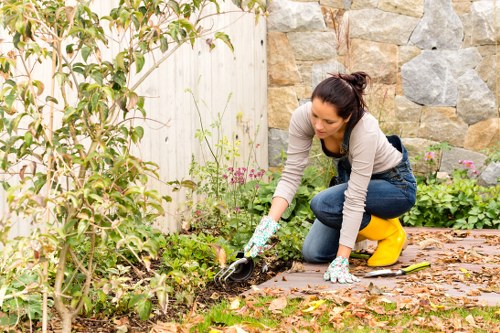
Some property owners prefer to trim their own hedges, especially smaller ones. However, professional hedge trimming offers clear advantages, particularly for taller, thicker, or more visible hedges. Achieving straight lines, balanced shapes, and clean finishes takes more than just a pair of hedge shears. It also requires experience, the right tools, and an understanding of plant growth patterns.
Professional hedge trimming in Custom House can be especially useful when:
- The hedge is tall or difficult to reach
- Precision shaping is needed
- The hedge has become overgrown
- There are safety concerns near roads or pathways
- The property requires a consistently polished appearance
DIY trimming may be suitable for smaller garden hedges, but even then, mistakes can affect the final result. Cutting too much at once can leave bare patches, while uneven trimming can make the hedge look distorted. Professional work helps ensure the hedge is cut properly and kept in the right form.
Important note: the goal is not just to shorten the hedge. The goal is to maintain its shape, density, and long-term health in a way that suits the property.
How Hedge Trimming Supports Privacy and Security
For many properties in Custom House, hedges are not only decorative. They also play an important role in privacy and security. A thick, well-shaped hedge can block direct views into a garden, reduce exposure from neighbouring buildings, and create a more comfortable outdoor space.
When hedges are trimmed regularly, they remain dense from top to bottom. This is crucial for privacy because gaps and thin areas reduce the screening effect. A neglected hedge may still be tall, but if it becomes sparse or irregular, it no longer provides the same level of cover. Proper hedge trimming in Custom House helps prevent that problem.
Security can also improve when hedges are maintained. Overgrown shrubs and hedges may hide entry points, create blind spots, or make a property appear unmonitored. A tidy hedge line signals care and order. It also makes boundaries easier to define, which can be helpful for both homes and businesses.
Hedge Trimming for Residential Gardens in Custom House
Residential gardens often benefit the most from routine hedge care because hedges are such visible features. Whether they frame a front garden or divide a rear boundary, hedges can drastically influence how a home feels from the outside. A neat hedge adds structure and charm, while an overgrown one can make even a well-kept property look untidy.
Homeowners often request hedge trimming in Custom House for several reasons:
- To improve the look of the front garden
- To prevent hedges from blocking paths or windows
- To create a safer environment for children and pets
- To preserve privacy without making the garden feel enclosed
- To keep seasonal growth under control
For family homes, a regular maintenance routine is often the best solution. It keeps the hedge manageable throughout the year and reduces the need for disruptive heavy cutting. In many cases, a few well-timed trims are enough to keep the garden looking structured and attractive.
Hedge Trimming for Commercial and Shared Spaces
Businesses and communal properties also rely on neat hedges to create a positive impression. In commercial spaces, first impressions matter. A crisp hedge line can communicate professionalism, attention to detail, and care for the property. This is especially important near entrances, car parks, and public-facing areas.
Shared spaces, such as housing developments, managed estates, and mixed-use sites, often need hedge trimming in Custom House on a fixed schedule. These areas usually experience more foot traffic and greater visibility, so any overgrowth becomes noticeable quickly. A regular maintenance plan keeps the grounds tidy and prevents hedges from interfering with access routes or signage.
In these settings, hedge trimming also supports consistency. When hedges are kept at uniform heights and shapes, the whole site looks more organised. That visual order can make outdoor areas feel safer, better managed, and more pleasant to use.
What to Expect from a Quality Hedge Trimming Service
A quality hedge trimming service should focus on more than simply shortening branches. It should take a careful approach to shape, health, and long-term growth. The best results come from understanding the hedge species, the property layout, and the desired finish.
Look for attention to the following elements:
- Clean, even lines that match the hedge’s natural form
- Proper shaping to encourage healthy regrowth
- Respect for the surrounding area to avoid damage to walls, fences, and plants
- Safe working practices for tall or hard-to-reach hedges
- Thorough tidy-up so the area is left neat and usable
Effective hedge trimming in Custom House should leave the property looking better immediately, while also setting the hedge up for healthier growth in the months ahead. That combination of instant visual improvement and longer-term plant care is what makes professional maintenance so valuable.
Maintaining Shape After Trimming
Once a hedge has been trimmed, keeping it in shape is just as important as the initial cut. Growth will naturally return, and without follow-up maintenance, the hedge can quickly lose its form again. That is why many property owners choose a recurring trimming schedule rather than a one-off service.
Some useful maintenance tips include:
- Inspect the hedge regularly for uneven growth
- Trim lightly before major overgrowth develops
- Keep the base slightly wider than the top for better light coverage
- Remove broken, weak, or dead sections promptly
- Adjust the timing of trims according to the hedge type and season
This approach helps preserve a smart appearance and keeps the hedge healthy. In many gardens, small and regular hedge trimming in Custom House is more effective than occasional heavy work. It is also easier to manage and less likely to cause shock to the plant.
Choosing the Right Style for Your Hedge
Not every hedge should look the same. Some are meant to be formal and sharply defined, while others work better with a more natural finish. Choosing the right style depends on the property’s design, the hedge’s purpose, and the kind of visual statement you want to make.
Popular hedge styles include:
- Formal style – straight lines and crisp angles for a polished appearance
- Natural style – softer shaping that blends with the landscape
- Layered style – shaped to maintain fullness from top to bottom
- Low border style – ideal for garden edging and decorative structure
Hedge trimming in Custom House can be tailored to any of these styles. A clean, formal hedge suits modern homes and commercial frontages, while a softer style may be better for traditional gardens. The key is to make the hedge feel intentional rather than overworked.
In short: the best hedge is one that looks natural in its setting and performs its role well.
Why Local Knowledge Matters
Local conditions affect hedge growth in subtle but important ways. Wind exposure, urban pollution, shade patterns, and compact garden layouts all influence how hedges grow and how they should be trimmed. That is why local experience matters when carrying out hedge trimming in Custom House.
In an area with mixed residential and commercial spaces, hedges may need different approaches depending on their location. A hedge beside a busy pavement may need regular shaping to avoid obstruction, while a garden hedge in a sheltered area may grow faster and require a different schedule. Understanding these differences leads to better results.
Local hedge care also makes it easier to plan around seasonal conditions and property expectations. The right timing, method, and finish can all vary slightly from one area to another. A tailored approach helps ensure the hedge remains healthy, neat, and suited to its surroundings.
Final Thoughts on Hedge Trimming in Custom House
Hedge trimming in Custom House is more than a routine garden task. It is a practical way to protect plant health, improve privacy, support safety, and keep outdoor spaces looking polished. From small domestic borders to tall boundary hedges and commercial frontage planting, regular maintenance makes a noticeable difference in how a property looks and functions.
Well-timed trimming helps hedges stay full, balanced, and attractive. It also prevents many of the common issues that come with overgrowth, including blocked light, hidden access points, and difficult-to-manage branches. For property owners who want outdoor spaces to look neat throughout the year, hedge trimming is one of the smartest investments you can make.
If your hedge is starting to lose shape, block access, or dominate the garden, now is the right time to act. Contact us today to discuss your hedge trimming needs in Custom House, or book your service now to keep your property looking its best.
Quick Reasons to Stay on Top of Hedge Care
- Improves kerb appeal
- Supports dense, healthy growth
- Keeps paths and entrances clear
- Enhances privacy and structure
- Reduces the need for heavy corrective work
Smart Hedge Maintenance Starts with Timing
Regular hedge trimming in Custom House helps ensure your outdoor space remains tidy, functional, and visually appealing all year round.
A simple trim today can prevent bigger problems tomorrow.
Book your service now and keep your hedges in excellent condition with careful, reliable maintenance.